
-
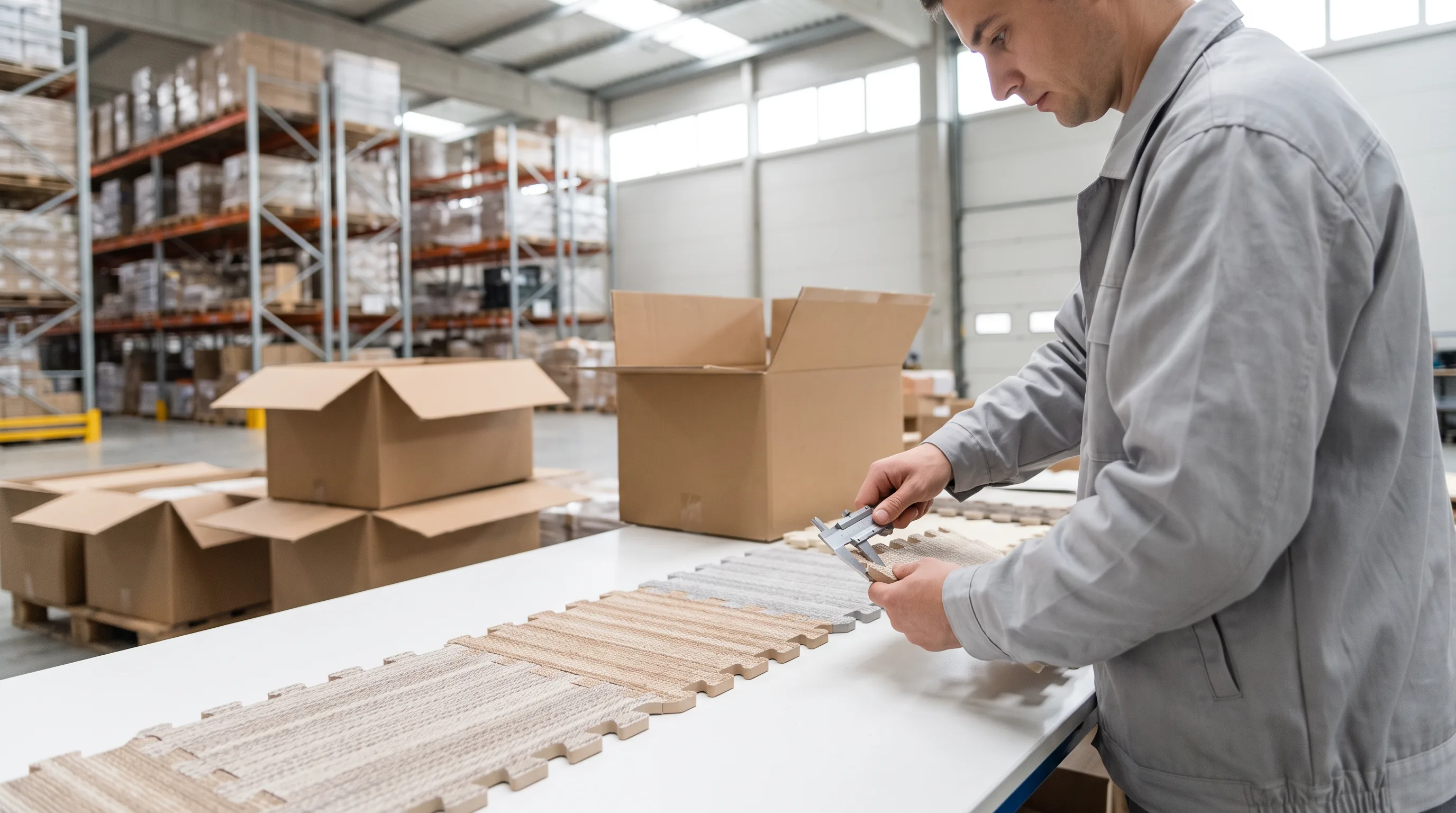
AQL Sampling Explained: How to Inspect Foam Play Mat Orders
AQL sampling lets buyers accept or reject a lot by inspecting a random sample. Learn how the tables, inspection levels and defect classes apply to foam play mats.
-

FOB vs EXW: Key Differences, Costs and Risk for Importers
EXW ends the seller’s job at its premises; FOB ends it on board the vessel. Compare EXW, FCA, FOB, CIF and DDP under Incoterms 2020 before your first import.
-

Landed Cost Explained: How to Calculate the True Cost of Imported Play Mats
Landed cost is what an imported product really costs at your warehouse. Learn the formula, each cost component and how to model it for a play mat shipment.
-

How to Find a Manufacturer for Your Play Mat or Baby Product Line
A step-by-step guide to finding and vetting a manufacturer for a play mat or baby product line, with a supplier checklist and the red flags to watch for.
-
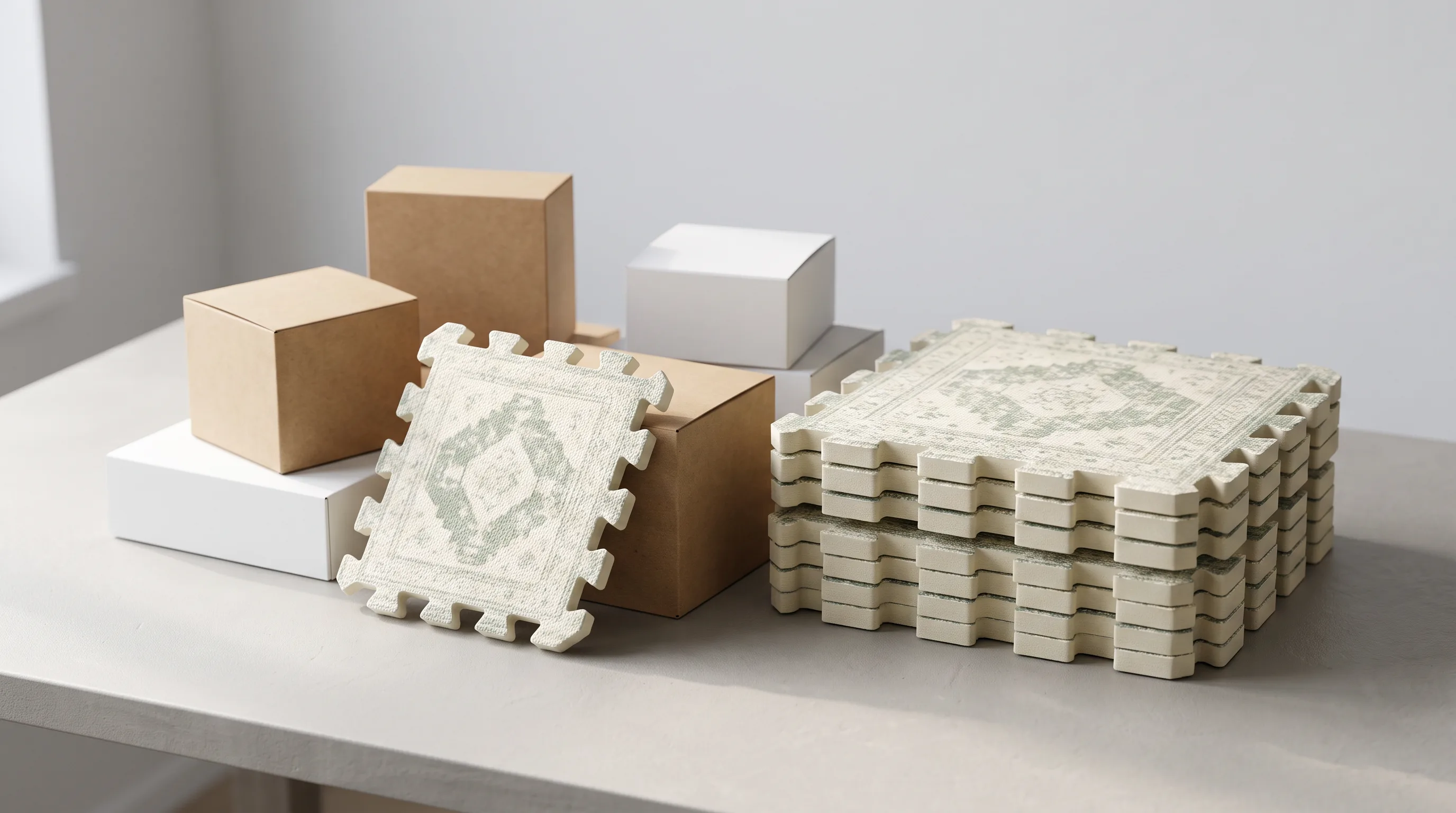
Private Label vs White Label: What Brand Owners Should Know Before Launching Baby Products
Private label gives one brand exclusive, customized products; white label sells the same item to many resellers. Here is how each works for baby product launches.
-

OEM vs ODM: Which Manufacturing Model Fits Your Play Mat Brand?
OEM means you supply the design; ODM means the manufacturer does. This guide compares design ownership, effort, speed and risk for EVA foam play mat brands.
-

HTS Codes for Foam Play Mats: How Importers Approach Classification
Foam play mats can be argued under several tariff headings. Here is how HTS classification works, why mats are tricky, and how importers get certainty with a broker and a CBP binding ruling.