
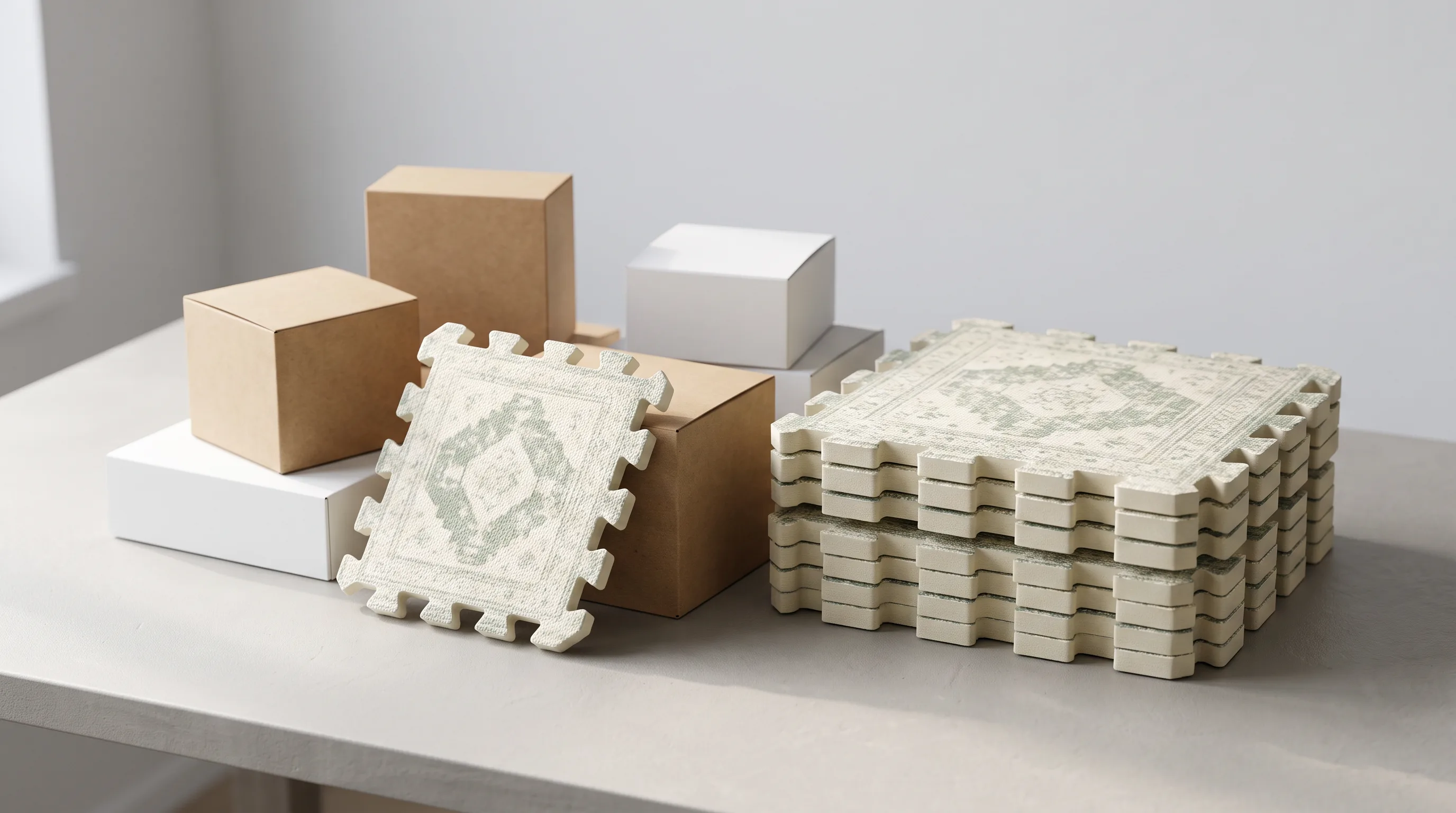
Private label vs white label is a question of exclusivity and control. A private label product is made for one brand, often with customized design, materials or packaging, and sold only under that brand. A white label product is a generic item the manufacturer sells to many resellers, each adding its own name. For baby products, private label usually offers stronger differentiation; white label offers speed.
Key Takeaways
- Private label means a product made for and sold under one retailer’s or brand’s name, usually with some exclusive customization.
- White label means a standardized product sold to many resellers who each apply their own branding, with little or no change to the product itself.
- The core trade-off is exclusivity and differentiation (private label) versus speed and simplicity (white label).
- Under US law, the owner of a brand on a private-label consumer product is a “private labeler,” and its name can appear on the required children’s product tracking label.
- Ready-made designs can be private-labeled with your own packaging, logo and colorways, which sits between pure white label and fully custom OEM.
What Is Private Label?
Private label is a sourcing model in which a manufacturer produces goods that are sold exclusively under the buyer’s brand. The buyer controls the brand and often some or all of the specification: colors, patterns, sizes, materials, packaging and inserts. The manufacturer’s name does not appear on the retail product.
US consumer product law gives this a precise meaning. The Consumer Product Safety Act defines a “private labeler” as “an owner of a brand or trademark on the label of a consumer product which bears a private label,” and says a product bears a private label when it carries the brand of someone other than the manufacturer, that brand owner authorized the labeling, and the manufacturer’s own brand does not appear. That definition matters for baby products, as we will see below.
Private label products range from lightly customized (a ready design in your packaging) to deeply customized (your own artwork and specification). When the design itself comes from the brand, the arrangement overlaps with OEM manufacturing; when it starts from the manufacturer’s catalog, it overlaps with ODM. Our OEM vs ODM guide explains that distinction in detail.
What Does White Label Mean?
White label refers to a finished, standardized product that a manufacturer sells to multiple resellers, each of whom puts its own brand on it. The product is identical across sellers; only the label, and sometimes the outer packaging, changes. The term comes from the idea of a blank label waiting for someone else’s name.
White label is common where buyers want a product category quickly and are competing mainly on channel, service or marketing rather than on the product itself. The upside is speed and simplicity. The downside is that a shopper may see the same item under several brand names, which makes it hard to defend on anything except presentation and convenience.
Private Label vs White Label: Side-by-Side Comparison
The two terms are often used loosely, and some suppliers use them interchangeably. This table shows the typical meaning of each in B2B sourcing.
| Factor | Private label | White label |
|---|---|---|
| Exclusivity | Sold only under your brand; customized elements are yours | Same product sold to many resellers |
| Customization | Moderate to high: colorways, patterns, materials, packaging, inserts | Minimal: usually your logo and label only |
| Branding | Your brand on product and packaging; packaging often designed for you | Your label on a generic product, often in generic packaging |
| Cost structure | More upfront work on artwork, approvals and packaging; per-unit cost depends on specification | Little upfront development; cost is driven mainly by the standard product |
| Differentiation | Strong: a shopper cannot find the identical item elsewhere | Weak: competitors can sell the same item |
| Control over specification | You approve materials, colors and quality criteria | You accept the manufacturer’s standard specification |
| Time to launch | Longer, because approvals come first | Shorter, because the product already exists |
| Best for | Brands building long-term equity in a category | Resellers testing a category or filling a range quickly |
Where the lines blur
In practice, many programs sit between the two. A brand might take a manufacturer’s existing play mat design (white label in origin), change its colorway, add a custom retail box and insert card, and secure exclusivity for its channel. Most people would call that private label, even though the base design was not created by the brand. When you negotiate, skip the labels and agree on the specifics: what is customized, what is exclusive, for which territory and for how long.
What Are Private Label Products in the Baby Category?
Private label products in the baby and nursery category include play mats, splat mats, changing pads, soft play pieces and other items that a retailer or brand sells under its own name. They suit this category well because parents shop on look and trust. A distinctive pattern or a carefully designed box can carry a brand, while the underlying production, testing and quality control come from a specialist manufacturer.
For EVA foam play mats, the private-label options usually include rug-look printed EVA puzzle play mats, Bio EVA mats with 20 to 30 percent bio-based content, GraphEVA mats, and companion items such as vegan leather splat mats for under the high chair and soft play tumbling shapes. You can see the range in our EVA puzzle play mat collection.
How Ready-Made Designs Become Your Private Label
A practical middle path for many brands is to start from ready-made designs and private-label them. Komat keeps 50+ ready private-label designs that have already run in production, with patterns matched across tiles so a floor reads as one continuous rug. Here is how a typical program comes together:
- Select designs. Shortlist patterns and colorways that fit your brand and channel.
- Confirm the specification. Tile size, our standard 1/2-inch thickness, and material (standard EVA, Bio EVA or GraphEVA).
- Customize where it counts. Adjust colorways, choose edge style, and decide whether exclusivity is needed for your channel or region.
- Brief your packaging. Provide your logo, retail box artwork, insert copy and carton marks. Our packaging and logistics team confirms dielines and carton specifications.
- Approve and document. Sign off packaging proofs, agree inspection criteria, and collect the test reports you need for your own certificate.
Because the base product already exists, the main work shifts from product development to brand presentation and compliance paperwork. That is often the right balance for a brand launching its first baby line or a distributor adding a category.

Branding a Baby Product: What Changes When Your Name Is on It
Putting your brand on a children’s product brings responsibilities that a reseller of someone else’s brand may not carry in the same way. Three points deserve attention, and all of them should be confirmed with your testing lab or counsel because rules can change.
Tracking labels name the manufacturer or private labeler
CPSC guidance states that a children’s product tracking label must include “the name of the manufacturer or private labeler,” along with production details that let the product be traced. If your brand is on the product, plan the tracking label together with your packaging artwork rather than as an afterthought.
The importer certifies the product
Under the Consumer Product Safety Act, a “manufacturer” includes anyone who imports a consumer product. CPSC requires domestic manufacturers and importers of children’s products to issue a Children’s Product Certificate based on testing by a CPSC-accepted third-party lab, and, as of July 8, 2026, importers must electronically file certificate data with US Customs and Border Protection. Our overview of CPSIA requirements covers the framework. Komat’s mats are tested to ASTM F963, CPSIA, CA Prop 65, EN 71 and REACH requirements, and we provide reports on request to support your certificate.
Your trademark needs its own protection
The USPTO describes a trademark as “a word, phrase, design, or a combination that identifies your goods or services.” Register it in the markets where you sell. The US government’s StopFakes program points out that a US trademark does not protect you in another country, so plan filings for each market you enter.
When Does Each Model Fit?
Use the table below to match the model to your situation. Many brands move from the left column to the right as they grow.
| Scenario | Better fit | What to customize first |
|---|---|---|
| Testing a new category with minimal setup | White label | Label and listing content |
| Launching a baby brand with a defined look | Private label from ready designs | Colorways, retail box, insert card |
| Distributor building a branded range for retail partners | Private label | Packaging system across the range, carton marks |
| Brand competing on sustainability | Private label with material choice | Bio EVA specification and honest packaging claims |
| Brand needing designs nobody else sells | Private label with exclusive or custom artwork | Exclusive patterns or OEM artwork |
A note on honesty in claims: whichever route you take, make sure packaging claims match what the product and its test reports actually support. “Tested to ASTM F963” is a different statement from “certified,” and material claims such as bio-based content should reflect the actual specification. Distributors and importers can find more on how we support range building on our importers and distributors page.
Common Mistakes When Launching a Private Label Baby Product
Most private label problems are avoidable, and they tend to repeat. The first is treating “private label” as a promise of exclusivity when the contract says nothing about it. If a ready design matters to your positioning, get exclusivity defined in writing, or plan to differentiate through colorway and packaging instead.
The second is designing packaging before confirming the product specification. Retail boxes, insert cards and carton marks depend on tile count, tile size and thickness, so lock the specification first and brief packaging second. Changing a box after proofs are approved costs time on both sides.
The third is leaving compliance paperwork until goods are ready to ship. Your certificate, tracking label content and any required warnings should be drafted alongside the packaging, with your lab confirming which existing test reports apply and whether customized colors or materials need new testing.
The fourth is making claims the documentation cannot support. Words such as “non-toxic,” “eco-friendly” or “certified” invite scrutiny from retailers and regulators. Tie every claim to a specific, documented fact, such as a material specification or a named test standard, and keep the reports on file.
The fifth is skipping inspection planning. Agree on inspection criteria for print, edge fit, thickness and carton marks before production, so both sides judge the finished goods against the same standard.
Frequently Asked Questions
What is the difference between private label and white label?
Private label products are made for and sold under one brand, usually with some exclusive customization such as colorways, patterns or packaging. White label products are standardized items sold to many resellers who each add their own label. Private label gives stronger differentiation and control; white label gives faster, simpler entry with less ability to stand out.
Is white label cheaper than private label?
White label usually needs less upfront work because the product, packaging and specification already exist, so setup effort is lower. Private label adds artwork, approvals and sometimes custom packaging, which takes time and money. Per-unit cost depends on the specification and order details for either model, so compare complete quotations rather than assuming one route is always cheaper.
Can I private-label a manufacturer’s existing design?
Yes. This is one of the most common ways baby brands launch. You select a design the manufacturer already produces, then customize colorways, packaging, logo and inserts. If you need to be the only brand selling that pattern, negotiate exclusivity in writing, including its scope by channel or territory and how long it lasts.
Who is legally responsible for a private label baby product?
In the US, the importer is treated as the manufacturer and must certify children’s products based on third-party testing. The brand owner is a private labeler and its name may appear on the tracking label. Responsibilities can overlap, so define them in your supply agreement and confirm the details with your testing lab or legal counsel.
Do private label products need their own testing?
The certificate must be supported by testing that represents the product you sell, so changes to materials, colors or components can affect what testing is needed. A manufacturer’s existing reports may support your certificate if the product is unchanged. Ask your CPSC-accepted lab whether customized colorways or materials require new tests before you finalize production.
Ready to put your brand on a play mat line? Explore Komat’s ready private-label designs to find a starting point, or contact our team to discuss colorways, packaging and exclusivity for your channel.